info@avtaari.com
Send mail

Send mail
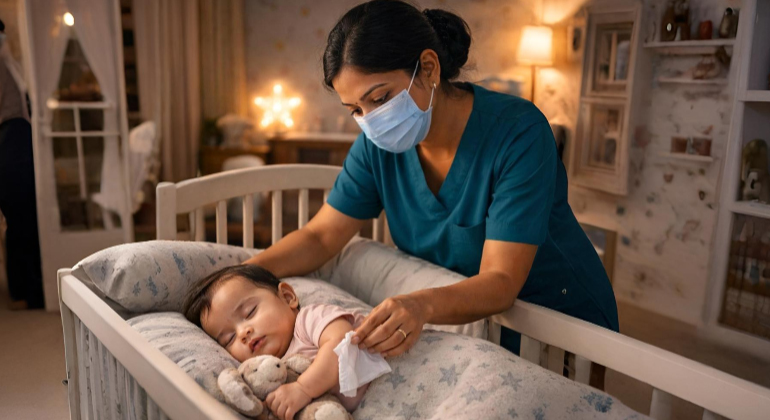
Most people assume baby care is something you learn naturally at home. While love and instinct are important, professional baby care requires much more than good intentions. Inside a baby care training room, caretakers are taught skills that most households never formally learn. These lessons focus on safety, hygiene, development, and emotional understanding, all of which are critical for a baby’s healthy growth.
Many caregivers rely on traditional methods passed down through families. While some practices are helpful, others may be outdated or unsafe. Training rooms bridge this gap by combining practical experience with modern, research-based care methods.
Caretakers are trained to respond calmly, think clearly, and act correctly in everyday as well as emergency situations. This level of preparedness is rarely achieved without structured learning.
In training, caregivers learn how to:
These techniques reduce the risk of injury and help babies feel secure.
Cleanliness is not just about washing hands. Training covers:
These practices are especially important for newborns with developing immunity.
Caregivers are taught to understand feeding signals rather than relying only on schedules. Training includes:
This helps prevent overfeeding, choking, and digestion issues.
Most homes focus on putting the baby to sleep, but training explains why and how sleep matters. Caregivers learn:
This knowledge supports better rest for both babies and parents.
Babies communicate through crying, movement, and expressions. Training helps caregivers:
This emotional awareness is often overlooked but plays a key role in early development.
One of the biggest differences between trained and untrained caregivers is emergency readiness. Training rooms include basic guidance on:
Even simple awareness can make a critical difference.
Parents feel more confident when they know their caregiver is trained, not just experienced. Structured training ensures consistency, safety, and professionalism. It also helps caregivers feel confident in their role, reducing stress and mistakes.
A baby care training room prepares caregivers for real-life situations that go beyond everyday household knowledge. It blends care, safety, and understanding into a structured approach that benefits both babies and families. When caregivers are trained the right way, homes become safer, calmer, and more supportive environments for a child’s early years.


Call anytime
Send email
Office Address