info@avtaari.com
Send mail

Send mail
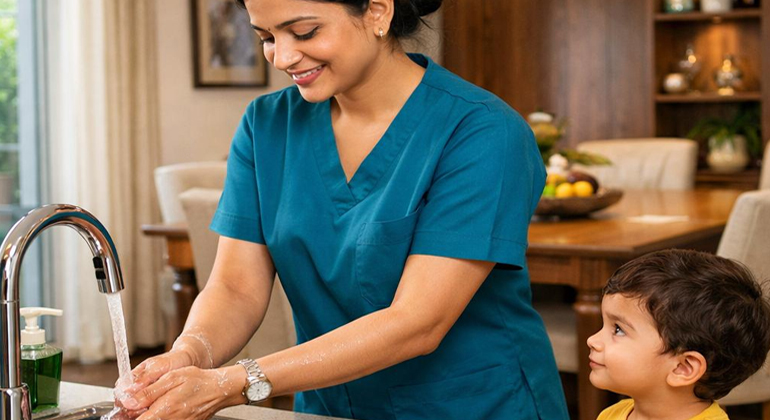
When parents choose a childcare provider, experience is often the first thing they ask about. While experience is important, it is not always the most critical factor. In childcare, proper hygiene training can matter even more than years of hands-on work. Children have developing immune systems, and even small hygiene lapses can lead to frequent illness, infections, or serious health risks.
Many caregivers learn on the job. Over time, habits form. Some are good, but others may be outdated or incorrect. A caregiver may have years of experience but still follow unsafe practices simply because "that's how it's always been done."
Without proper training, even experienced caregivers may:
Hygiene training ensures that caregivers follow updated, medically recommended practices rather than relying only on past routines.
Children touch everything. Toys, floors, furniture, and each other. They also tend to put their hands in their mouths, making them more vulnerable to germs. In such environments, hygiene is not optional. It is essential.
Good hygiene training helps caregivers understand:
These practices significantly reduce the risk of common illnesses like colds, stomach infections, skin rashes, and more serious conditions.
One of the biggest advantages of hygiene training is consistency. Trained caregivers follow standard procedures every day, not just when they remember to. This consistency builds a safer environment for children.
Training also creates accountability. Caregivers know what is expected of them and why it matters. They are more likely to follow rules when they understand the impact of their actions on a child’s health.
For parents, trust is everything. Knowing that a caregiver has been professionally trained in hygiene gives parents peace of mind. It shows that the caregiver understands safety, cleanliness, and responsibility.
Parents often look for signs such as:
Training directly influences these visible details, which strongly affect parental confidence.
Healthy children learn better, play more, and feel more comfortable in their environment. Fewer illnesses mean fewer absences and less stress for both children and parents.
Hygiene training also prepares caregivers to handle special situations, such as caring for infants, managing minor injuries, or preventing the spread of illness during seasonal outbreaks.
Experience teaches caregivers how to manage children emotionally and practically. But hygiene training teaches them how to protect children’s health every single day. In childcare, safety and cleanliness cannot be based on assumptions or habits. They must be learned, practiced, and followed correctly. That is why hygiene training matters more than experience alone. It creates safer spaces, healthier children, and greater trust for families who rely on childcare every day.


Call anytime
Send email
Office Address