info@avtaari.com
Send mail

Send mail
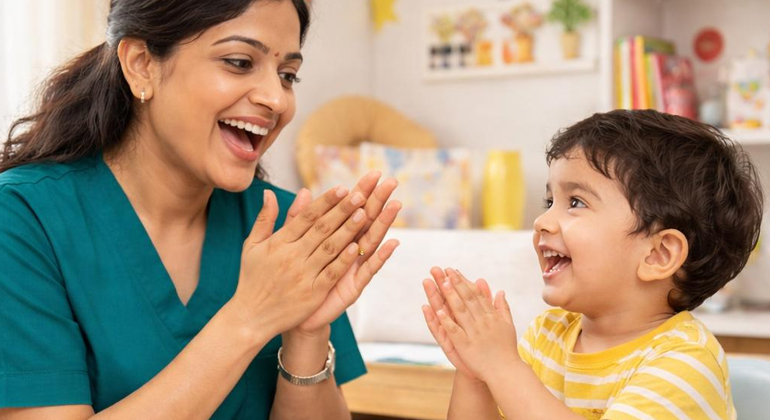
When families look for a caretaker, the first concern is usually trust. Will they be reliable, caring, and responsible? But beyond basic experience, professional training makes a real and visible difference in how caretakers perform their role. A trained caretaker does not just help. They understand, anticipate, and handle situations with confidence and care.
A professionally trained caretaker clearly understands their role. They know what is expected of them and how to handle daily tasks correctly. This includes hygiene practices, safety routines, and time management. Instead of learning through trial and error, trained caretakers follow structured methods that ensure consistency and reliability.
This clarity reduces stress for both the family and the caretaker.
One of the biggest changes is the focus on safety and hygiene. Trained caretakers learn proper handwashing techniques, cleaning routines, and safe handling practices. Whether it is newborn care, elderly support, or home assistance, these basics make a huge difference.
They are also trained to identify risks early. Slippery floors, unsafe sleeping positions, or incorrect lifting techniques are handled more carefully. This helps prevent accidents before they happen.
Professional training goes beyond physical tasks. Caretakers are taught how to communicate calmly and respectfully. They learn how to respond to emotional needs, not just instructions.
For example:
This emotional awareness creates a more positive and comfortable environment at home.
Every home situation is different. A trained caretaker is prepared to handle unexpected challenges. Instead of panicking or waiting for instructions, they assess the situation and act responsibly.
Training includes:
This confidence reassures families and builds long-term trust.
Training also shapes attitude. A professionally trained caretaker understands punctuality, discipline, and respect for household rules. They follow routines, maintain boundaries, and take responsibility for their work.
This professionalism reduces conflicts and misunderstandings. Families feel more comfortable giving responsibility to someone who treats caregiving as a serious profession.
When a caretaker is trained, families experience:
Instead of constantly worrying or correcting mistakes, families can focus on their own work and personal time.
Training does not just benefit families. It empowers caretakers as well. They feel confident, valued, and respected in their role. With the right skills, caretakers perform better and grow professionally.
This creates a healthier working relationship built on mutual respect.
The real change with a professionally trained caretaker is not just skill. It is confidence, safety, emotional understanding, and professionalism. Training transforms caregiving from basic help into dependable support. For families, it means peace of mind. For caretakers, it means pride in their work. And that difference is felt every single day.


Call anytime
Send email
Office Address